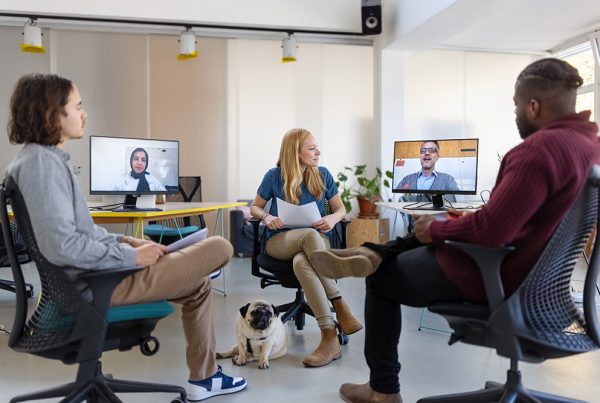
We work with many teams and leaders who thrive on action, who love solving problems and delivering results under pressure. The very best of them have a hidden super-power, one that requires a very different energy and mindset. This is the ability to pause, reflect and learn. The most successful Olympic and Paralympic teams build in regular time to reflect, taking a month each year and even longer at the end of a 4-year cycle to dig deep into their approach to learn for the future. One business leader we know works on a cycle of 7 weeks activity and 1 week of review, right through the year. Reflection sounds simple but too often leaders and their teams struggle to reflect well, or even at all. Claiming to be too busy, often the real barrier is that they haven’t learned how to reflect properly and so have never experienced its real power.
There are two levels of reflection, and both are important to understand and apply regularly.
First, ‘single loop learning.’ This involves reflecting on your behaviours, thoughts, feelings or decisions to identify what happened and what could be improved to achieve your desired outcomes. The simple framework of ‘what worked well and even better if?’ (WWWEBI) serves this level of reflective learning and is ideal for short, in the moment reflection. It can surface immediate feedback that helps a team learn and adapt after a meeting or presentation. Asking for positive feedback helps to orient towards success and builds confidence. Framing potential criticisms as improvements makes it easier for everyone to speak up. On an individual level, self-reflection can raise awareness of thoughts and feelings that might otherwise derail your performance, creating a useful pause to refocus or choose a different response.
The second level of reflective learning requires self-reflexivity, not just self-reflection, and leads to ‘double loop learning.’ Self-reflexivity goes beyond evaluating your behaviours and outcomes, to explore how your assumptions, biases, and the context influence and shape your actions. For example, a self-reflexive leader might consider not just their decision-making process but also how their cultural background, privilege, or power dynamics influence their approach and relationships with others. This allows double-loop learning, where performance is assessed not just against your immediate outcomes, but by considering whether your overall strategy and objectives were appropriate.
To summarise, the first level of reflection asks; did we achieve our outcomes and what can we learn as a result? This is ideal for incremental improvement when working in a simple environment.
The second level of reflection asks; what individual and shared assumptions shaped our behaviour, and do we need to adapt our goals, not just our behaviour? This deeper approach is ideal for fostering learning and adaptability in complex or evolving environments.
Learning through reflection is a skill, and great leaders and effective teams have invested time and intention to improve. Here are some reflective questions to consider – can you spot which ones invite single loop learning and which ones invite double loop learning?
- How well and how often do you currently take time to reflect and learn?
- What could you do to improve your ability to reflect and learn?
- What do you believe about the importance of reflection compared to being busy?
- How might these beliefs support, or block, your capacity to pause, reflect and learn?
If you’d like to develop your own, or your team’s, capacity for effective and powerful learning through reflection, get in touch.